


Learn more about White Discharge Guide and how it relates to women's health and PCOS management.
Read moreDeveloping a Personalized Plan for Menstrual Health-Irregular Periods
Published - Dec 27, 2023
Published by: PCOS FERTICURE CLINIC
- Understand the causes of irregular periods, from hormonal imbalances to conditions like PCOS, and learn how they impact your menstrual health.
- Discover practical strategies for managing irregular periods, including lifestyle adjustments, medical interventions, and the importance of tracking your menstrual cycle : Scroll Below to Read the Article Further
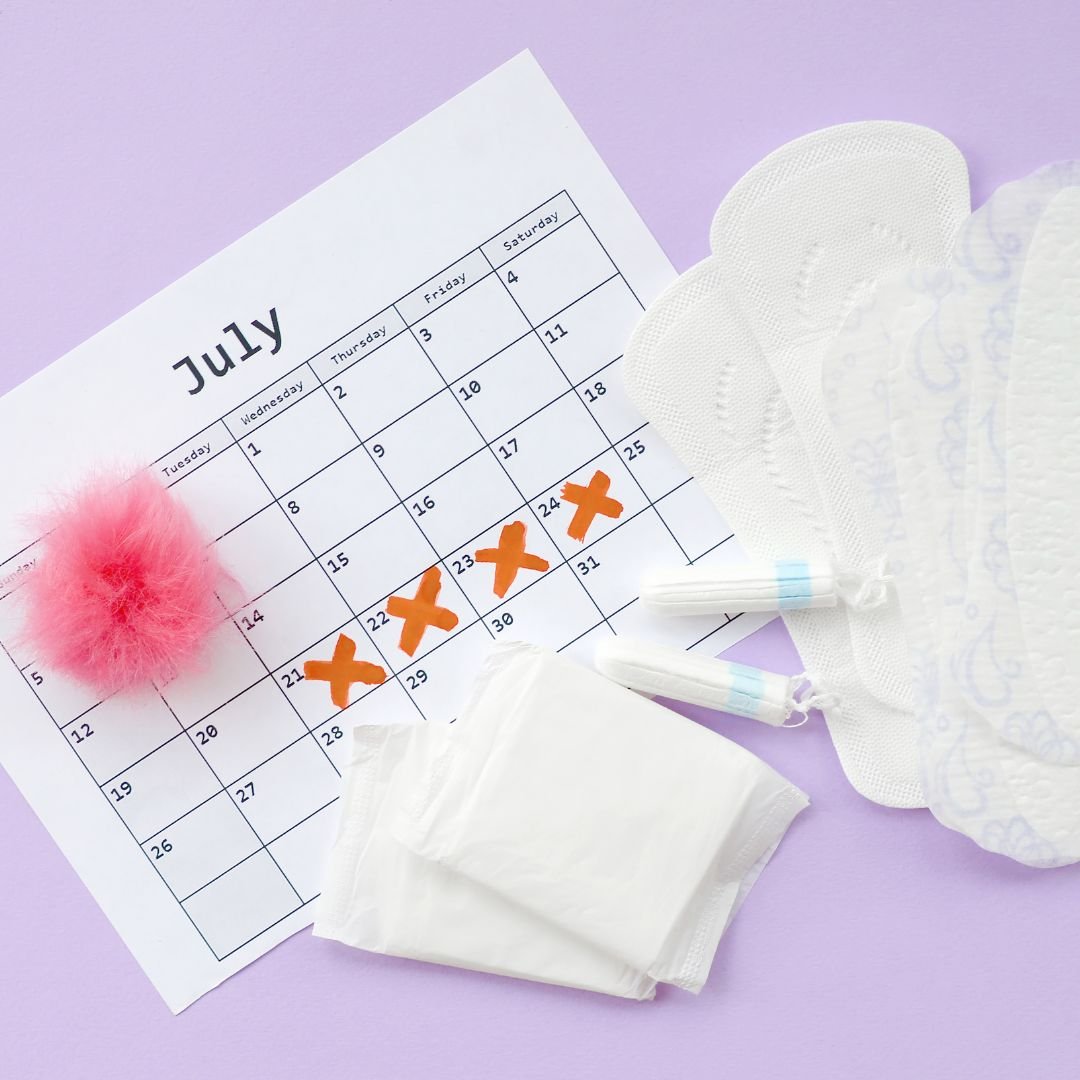
Irregular Periods: Causes, Symptoms, and Effective Management Strategies
Introduction
Irregular periods, also known as menstrual irregularities, can be a source of concern for many women. They disrupt the natural flow of the menstrual cycle and may be accompanied by various symptoms. In this comprehensive 5000-word guide, we will delve into the causes, symptoms, and effective strategies for managing irregular periods. Whether you are a teenager just starting your menstrual journey or an adult facing unexpected changes in your cycle, this guide will provide valuable insights to help you regain control of your menstrual health.
Understanding Irregular Periods
In this section, we will discuss the basics of irregular periods, including what constitutes a regular menstrual cycle and how irregularities are defined.
What is a Regular Menstrual Cycle?
- Definition of a regular menstrual cycle:A regular menstrual cycle typically lasts between 21 to 35 days, with 28 days being the average. It starts on the first day of your period (day 1) and ends just before the next period begins. This cycle repeats month after month.
- Typical duration of a menstrual cycle:As mentioned, a menstrual cycle can vary in length but is generally considered regular if it falls within the 21 to 35-day range. Some women may have slightly shorter or longer cycles, which can also be normal for them.
- Phases of the menstrual cycle:The menstrual cycle consists of several phases, including menstruation (the shedding of the uterine lining), the follicular phase (preparation for ovulation), ovulation (the release of an egg from the ovary), and the luteal phase (preparation for pregnancy or the start of a new cycle). Understanding these phases is crucial for identifying irregularities.
What are Irregular Periods?
In this subsection, we focus on explaining what irregular periods are and why they are a cause for concern:
- Definition of irregular periods: Irregular periods, also known as menstrual irregularities, refer to deviations from the typical menstrual cycle in terms of timing, duration, and flow. They can manifest as cycles that are significantly shorter, longer, or unpredictable in length.
- Common signs and symptoms of irregular menstruation: Irregular periods may be accompanied by various symptoms, including heavy or light bleeding, missed periods, spotting between periods, and changes in menstrual flow. These irregularities can lead to discomfort and uncertainty about when your next period will occur.
- How irregular periods can affect daily life: Irregular periods can have a significant impact on a person's daily life. They may disrupt plans, cause emotional stress, and even affect fertility in some cases. Understanding the reasons behind irregular periods is crucial for addressing these challenges effectively.
Causes of Irregular Periods
This section will explore the various factors and underlying conditions that can contribute to irregular menstrual cycles.
Hormonal Imbalance
Hormonal imbalance is a significant factor contributing to irregular periods. Here's a detailed explanation:

- Role of hormones in the menstrual cycle: The menstrual cycle is tightly regulated by various hormones, including estrogen and progesterone. These hormones play key roles in preparing the uterine lining for pregnancy, releasing an egg during ovulation, and shedding the uterine lining during menstruation.
- How hormonal imbalances can lead to irregular periods: When there is an imbalance in these hormones, it can disrupt the normal menstrual cycle. For instance, an excess of estrogen relative to progesterone can lead to a condition called estrogen dominance, which can cause heavy or prolonged periods. On the other hand, insufficient estrogen or progesterone levels can result in skipped or missed periods.
- Common hormonal disorders related to irregular menstruation: Several hormonal disorders can contribute to irregular periods, including:
- Polycystic Ovary Syndrome (PCOS): PCOS is characterized by high levels of androgens (male hormones) in women, which can disrupt normal ovulation and lead to irregular periods.
- Thyroid Disorders: Conditions like hypothyroidism (underactive thyroid) or hyperthyroidism (overactive thyroid) can affect hormone production and menstrual regularity.
- Perimenopause and Menopause: The hormonal fluctuations that occur during the transition to menopause can result in irregular periods.
Understanding hormonal imbalances is crucial because it helps identify the underlying cause of irregular periods. Treatment options may include hormone therapy or lifestyle modifications to restore hormonal balance.
Polycystic Ovary Syndrome (PCOS)

Polycystic Ovary Syndrome, commonly known as PCOS, is a significant contributor to irregular periods. Here's a detailed explanation:
- Detailed explanation of PCOS: PCOS is a hormonal disorder that affects individuals with ovaries, often during their reproductive years. It is characterized by multiple small cysts on the ovaries, hormonal imbalances, and a range of symptoms.
- Link between PCOS and irregular periods: PCOS is a leading cause of irregular periods, particularly due to the hormonal imbalances it triggers. Women with PCOS often experience infrequent, prolonged, or unpredictable menstrual cycles. The condition can also lead to anovulation (lack of ovulation), which further disrupts the menstrual cycle.
- Managing PCOS-related irregularities: Managing PCOS-related irregular periods typically involves a combination of approaches:
- Lifestyle Modifications: These may include dietary changes, regular exercise, and weight management to improve insulin sensitivity and hormone balance.
- Medications: Hormonal contraceptives, such as birth control pills, can help regulate periods in women with PCOS. Other medications may be prescribed to address specific symptoms.
- Fertility Treatments: For those trying to conceive, fertility treatments may be recommended to induce ovulation.
It's important to diagnose and manage PCOS early, as the condition can have long-term implications for fertility and overall health.
Stress and Irregular Periods

Stress is another factor that can influence menstrual regularity. Here's a detailed explanation:
- The impact of stress on the menstrual cycle: Stress, whether emotional or physical, can disrupt the delicate balance of hormones responsible for regulating the menstrual cycle. Stress triggers the release of stress hormones, such as cortisol, which can interfere with normal hormonal signals.
- Stress management techniques for menstrual health: To address the impact of stress on menstrual health, individuals can incorporate stress management techniques into their daily routine. These may include:
- Relaxation techniques: Practices like deep breathing, meditation, and yoga can help reduce stress levels.
- Exercise: Regular physical activity is known to reduce stress and promote hormonal balance.
- Adequate Sleep: Ensuring sufficient and restful sleep is essential for overall well-being and menstrual health.
- Counseling and Therapy: In cases of chronic stress or emotional stressors, seeking support from a therapist or counselor can be beneficial.
By effectively managing stress, individuals can mitigate its adverse effects on their menstrual cycle and maintain more regular periods.
Lifestyle and Diet Factors

This section will highlight the influence of lifestyle choices, diet, and exercise on menstrual regularity.
Diet and Menstrual Health
This subsection discusses the important relationship between diet and menstrual health:
- The role of nutrition in maintaining a regular menstrual cycle: Nutrition plays a crucial role in overall health, including menstrual health. Adequate intake of essential nutrients is vital for the proper functioning of the reproductive system.
- Foods that can promote menstrual health: Certain foods are rich in nutrients that can support menstrual regularity. These include:
- Iron-Rich Foods: Iron is essential for preventing anemia, which can result from heavy menstrual bleeding. Foods like leafy greens, lean meats, and legumes are good sources of iron.
- Calcium and Vitamin D: Calcium and vitamin D are important for bone health. Dairy products, fortified cereals, and fatty fish are sources of these nutrients.
- Omega-3 Fatty Acids: Omega-3 fatty acids found in fatty fish, flaxseeds, and walnuts have anti-inflammatory properties and may help reduce menstrual discomfort.
- Fruits and Vegetables: A diet rich in fruits and vegetables provides antioxidants, vitamins, and minerals that support overall health, including menstrual health.
- Diet tips for managing irregular periods: This section provides practical dietary recommendations to promote menstrual regularity, including:
- Managing sugar and refined carbohydrate intake, as excessive sugar consumption can lead to insulin resistance, potentially impacting menstrual cycles.
- Staying hydrated by drinking plenty of water.
- Limiting caffeine and alcohol consumption, which can disrupt hormonal balance.
- Ensuring a balanced diet that includes a variety of food groups.
Understanding the role of nutrition and making informed dietary choices can positively influence menstrual health.
Exercise for Menstrual Health
This subsection explores the impact of physical activity on menstrual regularity:
- How physical activity affects menstrual regularity: Regular exercise can have a positive impact on menstrual health. It helps maintain a healthy body weight, improves circulation, and reduces stress levels, all of which can contribute to regular periods.
- Recommended exercise routines for menstrual health: The blog provides guidance on the types of exercise that can be beneficial for menstrual health, including:
- Aerobic Exercise: Activities like walking, jogging, swimming, and cycling can help maintain a healthy weight and reduce the risk of irregular periods.
- Yoga: Yoga practices can promote relaxation, reduce stress, and alleviate menstrual discomfort.
- Strength Training: Building muscle through strength training exercises can boost metabolism and contribute to hormonal balance.
- Balancing exercise intensity: While exercise is beneficial, excessive or intense workouts, especially in combination with inadequate calorie intake, can lead to amenorrhea (absence of menstruation). It's essential to strike a balance and avoid extremes.
Herbal Remedies for Irregular Periods

This subsection explores natural remedies and herbs that may help regulate the menstrual cycle:
- Natural remedies and herbs that may help regulate the menstrual cycle: Some individuals turn to herbal remedies as complementary approaches to manage irregular periods. Common herbs and natural remedies include:
- Chasteberry (Vitex): Believed to promote hormonal balance.
- Dong Quai: Thought to help regulate the menstrual cycle and alleviate menstrual pain.
- Ginger: Known for its anti-inflammatory properties and potential to reduce menstrual discomfort.
- Raspberry Leaf: Often used to strengthen the uterine muscles.
- Cautions and considerations when using herbal treatments: It's important to exercise caution when using herbal remedies. This section emphasizes the need to consult with a healthcare provider before incorporating herbs into one's routine, especially if you are pregnant, breastfeeding, or taking other medications. Herbal remedies should be used under professional guidance to ensure safety and effectiveness.
Medical Interventions and Birth Control
This subsection discusses how various forms of birth control can be used to regulate menstrual cycles:
- Overview of birth control methods that can help regulate periods: Birth control options are not only used for contraception but can also be effective in regulating menstrual cycles. Here's an overview of some birth control methods:
- Combined Oral Contraceptives: These birth control pills contain both estrogen and progestin hormones and are often prescribed to regulate periods. They work by stabilizing hormonal fluctuations.
- Progestin-Only Pills: Sometimes, progestin-only birth control pills or mini-pills are recommended to regulate periods. These are suitable for individuals who may not tolerate estrogen.
- Hormonal Intrauterine Devices (IUDs): Hormonal IUDs, such as Mirena, release progestin locally in the uterus and can lead to lighter or absent periods.
- Birth Control Patch or Ring: These methods also release hormones to regulate periods.
- Benefits and potential side effects of hormonal contraceptives: While hormonal contraceptives can be effective in managing irregular periods, they may also have potential side effects, which are important to discuss with a healthcare provider. Benefits include:
- Predictable and lighter periods.
- Reduced menstrual pain.
- Protection against unintended pregnancy.
- Indications for seeking medical advice regarding irregular periods: Irregular periods can sometimes be a sign of an underlying medical condition or hormonal imbalance. It's important to consult a healthcare provider when experiencing the following:
- Sudden and severe changes: If your periods were previously regular and have suddenly become irregular, or if there is a significant change in your menstrual pattern, it's a reason for concern.
- Painful periods: Excessive pain, known as dysmenorrhea, can be a sign of an underlying issue, such as endometriosis.
- Excessive bleeding: If your periods are extremely heavy, lasting longer than usual, or if you develop symptoms of anemia (e.g., fatigue, pale skin), it's important to seek medical attention.
- Missed periods or irregular periods for an extended period If you have not had a period for several months (other than during pregnancy or menopause), or if irregular periods persist without an apparent cause, consult a healthcare provider.
- Common diagnostic tests and procedures A healthcare provider may recommend various diagnostic tests and procedures to determine the cause of irregular periods. These may include:
- Blood tests: Hormone levels, thyroid function, and other blood markers can provide insights into hormonal imbalances.
- Pelvic ultrasound: This imaging test can help detect structural abnormalities or conditions like PCOS.
- Endometrial biopsy: In cases of abnormal bleeding, an endometrial biopsy may be performed to rule out conditions like endometrial cancer.
- Hysteroscopy: This procedure involves the insertion of a thin, flexible tube with a camera into the uterus to examine its lining.
- How to keep a menstrual diary: Menstrual tracking involves maintaining a record of your menstrual cycles, including the start and end dates of your periods, the flow (heavy, moderate, light), and any accompanying symptoms. You can use a physical journal, mobile apps, or online tools for tracking.
- Recognizing patterns and trends in your cycle: By consistently tracking your menstrual cycles, you can identify patterns and trends that may be indicative of irregularities. This includes noting the duration of your cycle, the consistency of flow, and any changes in symptoms.
- Understanding the benefits of tracking: Menstrual tracking offers several benefits:
- Identifying potential irregularities early: By recognizing changes in your cycle, you can address irregularities promptly.
- Improving communication with healthcare providers: Keeping a detailed record can help your healthcare provider make an accurate diagnosis and treatment plan.
- Predicting ovulation and fertility: Tracking can be useful for individuals trying to conceive by identifying fertile windows during their cycle.
- Use of tracking apps: Mentioning the availability of smartphone apps designed for menstrual tracking can be helpful. These apps often provide features like predictions for upcoming periods and ovulation.
- Overview of treatment options: Irregular periods can be managed through various approaches, depending on the underlying cause and individual preferences. Common treatment options include:
- Lifestyle Modifications: These may include changes in diet, exercise, and stress management to promote hormonal balance.
- Medications: Hormonal therapies or medications may be prescribed to regulate periods or treat underlying conditions. For example, hormonal contraceptives can help regulate menstrual cycles.
- Fertility Treatments: In cases where infertility is a concern due to irregular periods, fertility treatments may be recommended to induce ovulation.
- Surgery: In some instances, surgical procedures may be necessary to address structural issues, such as fibroids or polyps, that can cause irregular bleeding.
- Developing a personalized plan for managing irregular periods: Effective management of irregular periods often involves a personalized approach. A healthcare provider will consider factors like the underlying cause, the individual's health goals (e.g., contraception, fertility, symptom relief), and preferences when creating a treatment plan.
- Importance of regular follow-up: Encourage individuals to maintain regular follow-up appointments with their healthcare provider to assess the effectiveness of the chosen treatment and make any necessary adjustments.
- Understanding the Menstrual Cycle : We started by defining what constitutes a regular menstrual cycle—a natural rhythm that varies from 21 to 35 days, encompassing distinct phases. Recognizing this baseline is essential for identifying deviations.We started by defining what constitutes a regular menstrual cycle—a natural rhythm that varies from 21 to 35 days, encompassing distinct phases. Recognizing this baseline is essential for identifying deviations.
- Exploring the Causes: Our exploration delved into the myriad factors that can lead to irregular periods. Hormonal imbalances, particularly fluctuations in estrogen and progesterone, can throw off the menstrual cycle. Conditions such as Polycystic Ovary Syndrome (PCOS) further exemplify the intricate interplay of hormones. Stress, both emotional and physical, emerged as another significant contributor, underscoring the mind-body connection in menstrual health.
- Lifestyle and Diet Factors: We emphasized the role of nutrition and exercise in maintaining a regular menstrual cycle. A balanced diet rich in essential nutrients, coupled with regular physical activity, can enhance overall well-being and support hormonal balance. Additionally, we explored the realm of herbal remedies, acknowledging their potential while advocating for caution and consultation with healthcare providers.
- Medical Interventions and Birth Control: Medical interventions, including hormonal contraceptives, were presented as effective tools for managing irregular periods. We highlighted their benefits and potential side effects, emphasizing that a healthcare provider's guidance is essential for choosing the most suitable method. We also discussed the critical juncture of "when to see a doctor," recognizing the need for professional evaluation when irregularities are concerning or persistent.
- Tracking and Managing Irregular Periods: The importance of keeping a menstrual diary for tracking cycles was underscored. By doing so, individuals can identify patterns and early signs of irregularities, enabling prompt action. Managing irregular periods involves a personalized approach that may encompass lifestyle changes, medications, fertility treatments, or surgery, depending on the underlying cause and individual goals.
However, potential side effects may include mood changes, weight fluctuations, and other hormonal effects, which can vary depending on the specific contraceptive method.
When to See a Doctor
This subsection provides guidance on when it's essential to seek medical advice regarding irregular periods:
Seeking medical advice and undergoing appropriate tests can help diagnose the underlying cause of irregular periods and guide the most suitable treatment or management plan.
Tracking and Managing Irregular Periods
In this final section, we will discuss strategies for tracking and effectively managing irregular menstrual cycles.
Menstrual Tracking
This subsection emphasizes the importance of keeping a menstrual diary and understanding one's cycle:
Irregular Periods Treatment
This subsection discusses strategies for managing irregular periods:
Conclusion: Taking Charge of Your Menstrual Health

In this comprehensive guide, we've embarked on a journey to demystify irregular periods, offering a wealth of knowledge on their causes, symptoms, and effective management strategies. Whether you're a young woman just beginning her menstrual cycle or someone experiencing unexpected changes in your well-established routine, the information provided here serves as a compass to navigate the often intricate terrain of menstrual health.
Key Takeaways
Empowerment through Knowledge
Empowerment lies at the heart of this guide. By understanding the factors influencing menstrual health and familiarizing oneself with various management options, individuals can take charge of their well-being. Irregular periods need not be a source of uncertainty or distress; they can be approached with knowledge and confidence.
Seeking Professional Guidance
While this guide offers a comprehensive overview, it is not a substitute for professional medical advice. If you are experiencing irregular periods or related symptoms, we strongly encourage you to consult with a healthcare provider. They can provide tailored guidance, diagnose underlying conditions, and create a personalized treatment plan based on your unique needs.
Remember, your menstrual health is a vital aspect of your overall well-being. By embracing the information provided here and collaborating with healthcare professionals, you can embark on a path towards achieving a more regular and healthier menstrual cycle, enhancing your quality of life, and ultimately taking charge of your menstrual health journey.
Your Journey, Your Health
Your menstrual health is a deeply personal journey, and it's shaped by a combination of factors unique to you. Embrace the knowledge you've gained from this guide, and remember that you're not alone on this path. Seek support from healthcare providers, explore lifestyle modifications, and make informed choices that align with your goals. With the right resources and proactive steps, you can navigate irregular periods with confidence and grace.
Here's to your well-being and the empowerment to live life to its fullest, unburdened by the challenges of irregular periods.
Book An Appointment
Other Important Articles on Site
White Discharge Guide
Pelvic Inflammatory Disease
Learn more about Pelvic Inflammatory Disease and how it relates to women's health and PCOS management.
Read moreUrine Infection in Women
Learn more about Urine Infection in Women and how it relates to women's health and PCOS management.
Read moreIrregular Periods Guide
Learn more about Irregular Periods Guide and how it relates to women's health and PCOS management.
Read morePregnancy Management
Learn more about Pregnancy Management and how it relates to women's health and PCOS management.
Read moreRATINGS AND REVIEWS RECEIVED ON DIFFERENT PLATFORMS
PCOS Treatment in Delhi (PCOS VIdeo Consultation:)

4.8 out of 5 (189 reviews and ratings)
PCOS Specialist in Delhi (PCOS Video Consultation:)
Practo
99% (277 reviews and ratings)
Top PCOS Doctors in Delhi (PCOS Video Consultation:)
Lybrate

4.4 (642 reviews and ratings)
PCOS Treatment for Un-Married (Polycystic Ovary Doctor In Delhi)
Just Dial
4.9 (490 reviews and ratings)
Services Provided at PCOS Ferticure Clinic
- PCOS Treatment in Delhi
- PCOS Treatment
- PCOS Symptoms and Treatment
- PCOS Treatment for Unmarried
- PCOS treatment in unmarried
- PCOS specialist doctor
- PCOS specialist in delhi
- Top PCOS Dcotor in delhi
- Which doctor to consult for PCOS
- PCOS Diagnosis In Delhi
- Book online appointment